Psychological Abuse in Animal Rights Advocacy

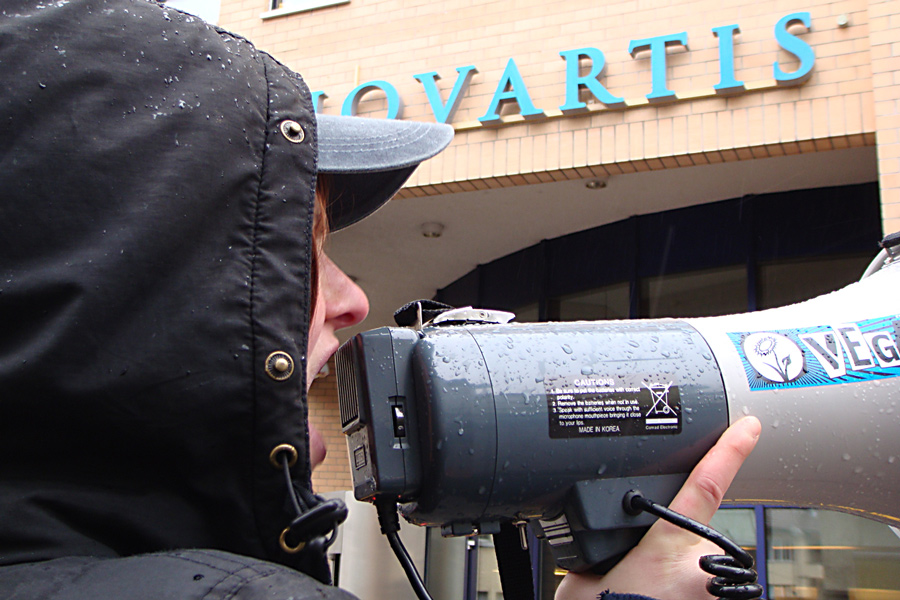
Man yelling into bullhorn at a protest

By Pooja Umbra

Since being diagnosed with an auto-immune neurological disorder and a mental illness as a vegan, I have been putting a lot of thought into the kind of vegan advocacy that can be categorized as psychologically abusive. I have myself partaken in this type of advocacy and I write this using my newly-acquired self-awareness and insight into psychological issues.

I’d like to state on record that I am not a mental health professional. I am articulating this as someone who has experienced psychological abuse from my early childhood and as someone who’s learning to tell the difference between emotionally healthy and unhealthy behaviors.

So what exactly is psychological abuse?

Psychological abuse, also referred to as emotional abuse or mental abuse, is a form of abuse characterized by a person subjecting or exposing another to behavior that may result in psychological trauma, including anxietychronic depression, or post-traumatic stress disorder.

It encompasses a wide range of behaviors such as, verbal aggression/ assault, domination, emotional blackmail, invalidation, gaslighting and blaming, among others.

Emotionally abusive behaviors by activists or any reminders of past emotional trauma can have debilitating consequences for survivors. Using guilt and shame for AR advocacy with the objective of elevating people’s consciousness to the plight of non-human animals may sometimes yield positive results, but it may also at times make survivors of emotional abuse relive the trauma of the past, feed their suicidal ideation, strengthen their ‘inner critic’, deepen their toxic shame, make the management of their illness difficult, or severely hamper their chances of recovery. Much has been written about certain damaging types of animal rights (AR) advocacy that is triggering to victims/survivors of violent crime such as rape. It is not much different for survivors of emotional trauma. Many in the AR movement, regrettably, still don’t see this as something to be rectified because of their anything goes approach to AR advocacy.

Before AR activists scream, ‘Meat is murder’ or tell non-vegans that they’re contributing to the death of shelter animals by purchasing animals from breeders, they need to stop and evaluate what they want to accomplish and why they’re using the kind of emotionally manipulative/ verbally aggressive approach that usually alienates people with mental disabilities and/or those with a history of trauma. Activists are better off using non-abusive approaches that don’t open up the emotional wounds of others. Furthermore, such non-abusive approaches are more likely to help non-human animals. Abusive tactics only serve to make abusers feel good by feeding off of the humiliation of others. It is self-serving and short-sighted. AR activists with able-minded and able-bodied privileges, as allies to non-human animals, need to recognize the imbalance of power between them and those with disabilities, and tailor their advocacy to be more compassionate.

Emotionality is an asset for bringing about lasting social change, but there is a difference between using corrosive tactics like guilt and shame, and encouraging self-reflection and accountability. All humans oppress non-human animals wittingly or unwittingly, to varying degrees. As those belonging to the oppressor group, we need to have more humility in our activism.


PoojaPooja Umbra is a multi-lingual vegan feminist from Bangalore who is fluent in four languages and semi-proficient in two others. She is a qualified accountant, though is currently on a break. She currently devotes her time to looking after her twelve and a half year old dog and to self- care.

Conseils pour Alliés Masculins

Translation by Christophe Hendrickx. See more French translations of critical vegan essays by grassroots activists by visiting his blog, La Pilule Rouge. The original English version of this essay can be found by clicking here.

Il ne fait aucun doute, le mouvement pour les droits des animaux non-humains a été compromis par le sexisme et manipulé par le patriarcat. Ce n’est dorénavant plus juste PETA qui mène la danse : c’est un nombre incalculable d’autres organisations (comme Fish Love), de compagnies (comme LUSH), et de pornographes (comme Vegan Pinup). Qui plus est, cela s’est propagé aux interactions individuelles comme le montre la normalité croissante d’activistes masculins tentant de contrôler, manipuler, menacer, ou harceler les militantes féminines.

Beaucoup de féministes insistent sur le fait que les hommes ne peuvent pas être des féministes (et l’Organisation Nationale des Hommes contre le Sexisme est d’accord). Être féministe, c’est être une femme auto-identifiée se battant pour l’égalité féminine. Être une féministe demande une expérience directe de l’oppression de genre, car c’est cette expérience unique en tant que membre du groupe visé qui informera l’activisme. Les hommes qui s’offusquent de cette définition et qui demandent à être inclus ne font que mettre en évidence l’ubiquité du privilège masculin. Lorsque les hommes réaffirment ce droit, ils démontrent leur besoin d’être aux commandes et ils démontrent le patriarcat. Bien que les hommes ne pourront jamais entièrement se soustraire eux-mêmes des privilèges de leur genre, les hommes peuvent tout à fait être des alliés.

Et nous avons grandement besoin d’alliés dans le mouvement des droits des animaux non-humains. Ce qui est peut-être le plus à blâmer pour le sexisme et la misogynie rampante dans notre mouvement (au-delà de la nature oppressante du patriarcat) est la complaisance. Il est temps de déplacer la responsabilité sur les membres masculins de notre communauté.

  1. Ne Soyez Jamais Complaisants

Si vous êtes témoin d’une femme se faisant brimée, harcelée ou intimidée… exprimez-vous. Si vous restez silencieux, si vous « restez neutre », ou si vous prenez la défense de l’agresseur (ce que j’identifie comme « mentalité de la bande de mecs »), vous êtes tout aussi coupable de sexisme et d’oppression que l’agresseur.

  1. Demandez une Représentation Égale

Si vous participez à un projet qui est principalement mené par des hommes (ce qui est suspect considérant que notre mouvement est composé à 80% de femmes), demandez à savoir où sont les femmes et refusez de participer avant qu’elles soient incluses. Ce problème est également présent dans le mouvement athée/sceptique, et les féministes et leurs alliés ont très bien réussi à faire pression sur les organisateurs d’évènements pour améliorer les proportions de genre.

  1. N’utilisez Jamais la Carte du “Sexisme Inversé”

Les femmes, qui sont un groupe oppressé vivant sous un patriarcat qui privilégie les hommes, ne peuvent pas, de par la nature même de leur statut social, exercer de sexisme envers les hommes. Dire d’une femme qu’elle est sexiste (ou, pire, « misandre ») vise à rediriger l’attention du problème des hommes, un groupe privilégié qui n’est jamais remis en question, vers les femmes. C’est une tactique visant à détourner l’attention de l’oppresseur vers l’oppressée. C’est une tactique visant à réduire au silence.

  1. Ne Mansplainez (Mecspliquez) Pas.

Le fait est que, malgré la sagesse infinie et la formation approfondie que pourraient avoir certains hommes, les hommes ne connaissent malgré tout pas mieux les problèmes des femmes que les femmes elles-mêmes. Le mansplainingsemble avoir frappé notre communauté. Beaucoup d’hommes insistent pour tout expliquer aux femmes, du féminisme au viol, avec l’intention de dominer la conversation ou de remporter le débat. Les expériences personnelles des femmes sont complètement écartées et dévalorisées, quand bien-même ces femmes ont les qualifications irréfutables les appuyant. Le mansplaining n’aide pas, c’est oppressif et irrespectueux.

  1. N’Harcelez pas les Femmes

Bien que cela puisse paraître évident, le harcèlement dans notre mouvement est un véritable problème. A travers des interviews réalisées avec des militantes, Emily Gaarder, dans son ouvrage de 2011 Women and the Animal Rights Movement, a constaté que le problème était plutôt répandu. J’ai moi-même été victimisée par plusieurs hommes vegans qui m’ont harcelée au point de devoir presque appeler la police.

  1. Écoutez

La majorité des hommes ne savent pas ce qu’est être une femme, n’ayant jamais fait l’expérience d’en être une. Tout comme les personnes de couleur blanche ne peuvent jamais totalement comprendre ce qu’est être une personne de couleur, unhomme cis ne peut jamais totalement comprendre ce qu’est être une femme. On considère généralement comme condescendant et peu utile qu’une personne blanche prétende avoir toutes les réponses sur les difficultés que rencontrent les personnes de couleur. Je soutiens que la même chose s’applique aux hommes qui pensent pouvoir comprendre ce qu’est l’expérience féminine et qui se sentent également dans leur droit de privilégié de définir ou de valider le sexisme. Au lieu d’insister, « Ce n’est pas sexiste » ou « Tu exagères », essayez d’écouter. Tentez de comprendre d’où viennent les femmes, les problèmes auxquels elles doivent faire face, et les solutions qu’elles recherchent. De même, rappelez-vous de leur faire de la place. N’essayez pas de dominer la discussion et donnez de l’espace aux femmes pour qu’elles participent sans être noyées par votre voix.

  1. Ne Gaslightez pas

Le Gaslighting est un outil efficace de contrôle masculin, se manifestant généralement dans des cas de violence conjugale ou de violence psychologique. Le Gaslighting est une tactique visant à faire douter une femme sur sa réalité et ses expériences. Si une femme déclare avoir fait l’objet de sexisme, et que vous lui dites qu’elle en fait toute une affaire pour rien ou qu’elle « exagère », c’est du Gaslighting. Faire en sorte qu’une femme se sente « folle » ou qu’elle apparaisse comme tel aux yeux des autres est un moyen de l’affaiblir et de la contrôler.

  1. Surveillez Votre Langage

Il y a des centaines de termes féminins péjoratifs (et seulement quelques masculins) qui utilisent l’identité féminine comme une insulte. Ils visent à affaiblir. Par exemple, l’association « Defending Pitbulls against Peta » appelle la présidente de PETA Ingrid Newkirk une « vilaine sorcière » et Nathan Winograd insinue qu’elle est une malade mentale. Ces deux exemples ne sont que la continuité d’une longue histoire de femmes ayant été ostracisées, institutionnalisées, et même tuées pour avoir été des « sorcières » ou « folles ». La langue française est vaste et contient plus de mots que la personne lambda n’en utilisera, donc il n’y a vraiment aucune excuse pour utiliser des péjoratifs genrés à moins que l’intention est de s’appuyer sur le sexisme pour renforcer votre argument.

  1. Soyez Critiques envers la Violence

Dans son livre de 2006, Capers in the Churchyard : Animal Rights Advocacy in the Age of Terror, Lee Hall avance que les tactiques violentes sont indubitablement associées à l’expression masculine du pouvoir, de la bravade et de la domination. J’ajouterais que ces approches sont en grande partie anti-féministes. La violence privilégie l’expérience masculine et le contrôle masculin, et, en même temps, rabaisse la féminité et vise à effrayer. Dans un discours présenté lors d’une conférence de 2012 en Italie, « La Paralysie du Pacifisme : En Défense de l’Action Militante Directe et de la « Violence » pour la Libération Animale », l’orateur crie littéralement sur une salle pleine de jeunes militantes, les accusant de pacifisme et insistant pour qu’elles abandonnent la non-violence.

  1. Soyez Critiques de l’Exploitation Sexuelle

Si vous êtes témoin d’une situation dans laquelle des femmes sont encouragées à se dévêtir pour « la cause »… faites entendre votre voix. Le corps des femmes ne devrait regarder personne, mais nous ne pouvons également pas ignorer la réalité d’un mouvement qui, couramment, exploite et objectifie sexuellement les femmes. L’oppression des animaux non-humains ne peut être démantelée via l’oppression des femmes. Faites entendre votre voix, laissez un commentaire, envoyez un email, ou tenez un blog sur le sujet. Ne laissez pas s’étendre l’exploitation sexuelle sans broncher.


Prière de reconnaître que ces requêtes ne sont pas une attaque envers les hommes. Ce n’est rien d’autre qu’une tentative honnête de créer un espace sûr pour les femmes dans un mouvement qui devient de plus en plus dangereux et humiliant. Nous devons faire face à l’inégalité là où elle survient. Nous sommes de plus en plus conscients de la manière dont nous traitons les autres groupes à risque, et pourtant nous ignorons si souvent le sort des femmes. Pire encore, ces femmes qui trouvent le courage de prendre la parole sont accusées d’en faire tout un foin. C’est représentatif de l’enracinement du sexisme et de la misogynie. Lorsqu’un mouvement composé à 80% de femmes ne peut se libérer des chaînes de l’oppression féminine, nous devrions être sérieusement préoccupé·es. Mais la charge du travail ne devrait pas reposer entièrement sur les femmes, les hommes doivent également prendre leur responsabilité et s’efforcer d’être des alliés féministes vegans pour le bénéfice de tous et de toutes, hommes, femmes, humains, ou non-humains.


Corey Lee WrennDr. Wrenn is Lecturer of Sociology. She received her Ph.D. in Sociology with Colorado State University in 2016. She received her M.S. in Sociology in 2008 and her B.A. in Political Science in 2005, both from Virginia Tech. She was awarded Exemplary Diversity Scholar, 2016 by the University of Michigan’s National Center for Institutional Diversity. She served as council member with the American Sociological Association’s Animals & Society section (2013-2016) and was elected Chair in 2018. She serves as Book Review Editor to Society & Animals and has contributed to the Human-Animal Studies Images and Cinema blogs for the Animals and Society Institute. She has been published in several peer-reviewed academic journals including the Journal of Gender Studies, Feminist Media Studies, Disability & Society, Food, Culture & Society, and Society & Animals. In July 2013, she founded the Vegan Feminist Network, an academic-activist project engaging intersectional social justice praxis. She is the author of A Rational Approach to Animal Rights: Extensions in Abolitionist Theory (Palgrave MacMillan 2016).

Receive research updates straight to your inbox by subscribing to my newsletter.

A Hősimádat Veszélyei Egy Aktivista Mozgalmon Belül

Tartalmi figyelmeztetés: nemi erőszak és rasszizmus említése, rendkívül sértő (rasszizmus, akadályozottság) megjegyzések a palesztin emberekre és a muszlim kultúrára nézve
Gary Yourofsky

Translation by Eszter Kalóczkai. See more Hungarian translations of intersectional vegan essays by visiting their blog, Tudatos Vegán. The original English version of this essay can be found by clicking here.

írta: Michele Kaplan

Voltál-e már olyan helyzetben, amikor a körülötted lévő emberek azt gondolták: inkább meg se szólaltál volna?

Mindez március 19-én kezdődött, amikor néhány ismerős vegán Gary Yourofsky Palesztina-ellenes kirohanásáról beszélt. Természetesen azok az állatjogi aktivisták, akik a szívükön viselik a palesztin emberek sorsát (beleértve magamat is), teljes megrökönyödéssel olvasták, hogy mit mondott Yourofsky.
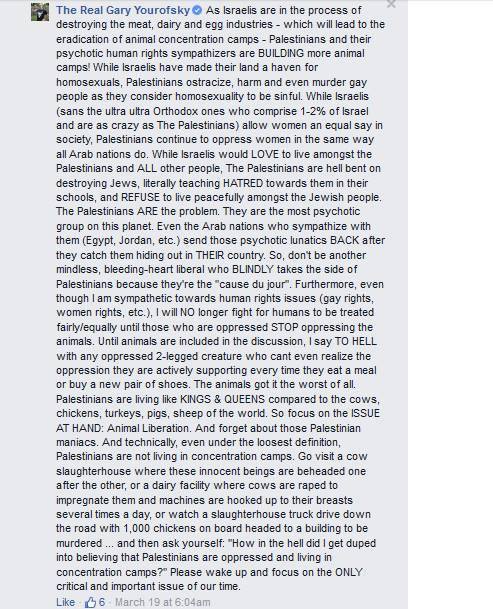
gary on palestine

(Az Igazi Gary Yourofsky által írt Facebook-poszt fordítása:) Amíg az izraeli emberek épp most rombolják le a hús-, tej-és tojásipart – ami végül az állatok koncentrációs táborainak a végét fogja jelenteni – a palesztinok és az elmebeteg emberjogi szimpatizánsaik épp, hogy több tábort ÉPÍTENEK. Míg az izraeliek befogadják a homoszexuálisokat, addig a palesztinok kiközösítik, bántják és gyilkolják a meleg embereket, mert úgy gondolják, hogy a homoszexualitás bűn. Míg az izraeliek (kivéve az ultra-ultra ortodoxokat, akik Izrael népességének az 1-2%-a, és ugyanannyira őrültek, mint a palesztinok) egyenlő mozgásteret biztosítanak a nőknek a társadalmon belül, addig a palesztinok továbbra is elnyomják a nőket ugyanúgy, ahogy az arab államok teszik. Míg az izraeliek szeretnek együtt élni a palesztinokkal és MINDEN más néppel, addig a palesztinok legfőbb célja, hogy minden zsidót elpusztítsanak, az iskoláikban a zsidók GYŰLÖLETÉRE tanítják a gyerekeiket, és NEM HAJLANDÓAK békességben élni a zsidó néppel. A palesztinok maguk a PROBLÉMA. Ők a legelmebetegebb nép ezen a bolygón. Még a velük szimpatizáló arab államok (Egyiptom, Jordánia stb.) is VISSZAKÜLDIK azokat az elmebeteg őrülteket, ha azok megbújnak az ő országaikban. Úgyhogy ne legyél már egy másik agyatlan, vérző szívű liberális, aki VAKON támogatja a palesztinokat, mert épp az a “menő”. Továbbra, habár szimpatizálok az emberi jogi kérdésekkel (melegek jogai, nők jogai, stb.), többé NEM fogok az embereknek az egyenlő bánásmódjáért harcolni, amig azok az elnyomott emberek elnyomják az állatokat. Amíg az állatokat belevesszük a vitába, addig azt mondom: A POKOLBA minden elnyomott kétlábú lénnyel, aki nem veszi észre, hogy milyen elnyomást támogat aktívan, amikor leül enni, vagy új cipőt vesz. Az állatoknak a legrosszabb. A világ teheneihez, csirkéihez, pulykáihoz, sertéseihez és birkáihoz képest a palesztinok KIRÁLYOKKÉNT ÉS KIRÁLYNŐKKÉNT élnek. Úgyhogy a LEGSÜRGETŐBB kérdésre koncentrálj inkább: az állatok felszabadítására. És felejtsd el azokat a palesztin őrülteket. És amúgy a palesztinok nem élnek koncentrációs táborokban, akárhogy is definiálod azokat. Menj és nézd meg, milyen egy vágóhíd, ahol ezeket az ártatlan lényeket lefejezik, egyiket a másik után, vagy egy tejipari telepet, ahol a teheneket megerőszakolják, hogy ismételten teherbe essenek, aztán a melleiket naponta többször gépekre kötik, nézd meg, ahogy egy vágóhídi teherautó 1000 csirkével behajt az épületbe, ahol megölik őket… és aztán kérdezd meg magadtól: “Hogy sikerült annyira átverniük, hogy azt higyjem, hogy a palesztin embereket elnyomják és koncentrációs táborokban élnek?” Kérlek ébredj fel és koncentrálj az EGYETLEN kritikus és fontos ügyre. [a jelek szerint ezt a Facebook-posztot eltávolították a Yourofsky oldaláról.]

Ki is ez a Gary Yourofsky? Hallottam már a nevét itt is, ott is, különböző állatjogi csoportokban, de nem tudtam, hogy mit tett hozzá a mozgalomhoz. Elkezdtem rékeresni a nevére, és rájöttem, hogy ez a kirohanása (amiből csak úgy dől a kirekesztés és a privilégium), nem egyszeri alkalom volt (bár még ettől se lett volna kevésbé elfogadhatatlan).

Gary Yourofsky egy vitatott, szevedélyes személyiség, aki egyfelől az erőteljes beszédeiről híres, amelyek hatására rengeteg ember lett vegán, másfelől viszont hírhedtek a lesújtó megjegyzései, amelyek elidegenítettek rengeteg embert az állatjogi mozgalomtól.

Ilyen megjegyzései például a hírhedt interjú (teljes egészében itt olvasható angolul):

Minden, szőrmébe bugyolált nőnek át kellene élnie egy olyan durva nemi erőszakot, ami egész életükre megnyomorítja őket. 

Mint vegén, mint nő, és mint ember, teljesen sokkolt, hogy ezt mondja, és egészen felkavaró érzés volt (és egy kicsit kevésbé érzem magam most biztonságban), amikor egyes emberek az állatjogi mozgalomban kifogásokat találnak neki.

“Jaj, ez annyira régi idézet” mondják, mintha ettől meg nem történtté lehetne tenni. Vagy mintha azóta bocsánatot kért volna, és megváltozott volna, mert nem tette.

Nagyon elszomorított mindez, mert annyi időt és szeretetet áldoztam az ügyre, és most megkérdőjeleztem, hogy van-e a mozgalomban jövőm. Tudtam, hogy van ez a régivonalas, (és nem annyira interszekcionális) ága az állatjogi aktivizmusnak, és van az újabb vonulata (ami jellemzően sokkal inkább figyelembe veszi az interszekcionalitást), úgyhogy nem gondoltam, hogy mindenki támogatja azt a levelet, de amikor sokan az újabb hullámból kifogásokat találnak neki, még akkor is, ha ez csak néhány ember volt, azt rendkívül elkeserítő.

A következő reggel, aktivisták egy kis csoportja (egészen pontosan 3 ember) megjelentetett egy közleményt, hogy tudassa az egész közösséggel (és az internettel), hogy a vegán mozgalomban semmi helye a mások kirekesztésének és elnyomásának.

Egy nemi erőszakot túlélő nő azt mondta, hogy nagyon pozitív élmény volt elolvasni ezt a levelet. Másvalaki azt mondta, hogy “senki nem támogatott, amikor ugyanezt mondtam Yourofsky-ról, annyira örülök, hogy vannak más vegánok, akik így éreznek!” (és többen egyetértettek ezzel). Így egy pillanatra úgy érezhettük, hogy bármi is következik ezután, már megérte.

És akkor… beindult az ellentámadás.

“Miért bántjátok Gary-t?”

“Miért vagytok ennyire gonoszak?”

“Gary olyn sokat tesz az állatokért, miért csak ezt emelitek ki?”

“Szerintem több jót tesz, mint rosszat.”

“Ezt most komolyan gondoljátok? Ez most valami korai április elsejei vicc? Csak fel akarjátok hívni magatokra a figyelmet, vagy szimplán hülyék vagytok?”

“Ne ítélkezzetek.”

“Hibázott, és akkor mi van. Mindannyian hibázunk.”

“Ezt most kiemeltétek a szövegkörnyezetből, pedig kontextussal együtt kéne nézni.”

“Inkább támogatni kellene, mint hátbadöfni!”

“Valójában nem is nézi el a valódi nemi erőszakot, olvassatok csak utána.” (Mintha Yourofsky ezt mondta volna? Nem ezt mondta. És mintha csak beszélni a nemi erőszakról teljesen ártatlan lenne, és nem lennének következményei? Nem így van.)

Rendkívül zavarbaejtő volt az egész, és rendkívül fárasztó. Mi a fene folyik itt?

És akkor rájöttem. Lehet, hogy hősimádattal állunk szemben? Én is álltam már így hozzá emberekhez régebben…

Emlékszem, amikor még nekem is voltak példaképeim, ha valami rosszat hallottam róluk, én is elkezdtem őket védeni, hiszen az én példaképemről  volt szó, aki egy szimbólum, aki reményt ad. A lelkem egy darabja el akarta hinni, hogy létezik egy ilyen hős, egy ilyen példakép.

Mostanság annyira nincsenek már példaképeim, mkert ahhoz, hogy valaki a példaképem legyen, ahhoz magam fölé kell helyeznem az illetőt. Tisztelem sokak munkásságát, elismerem őket, de valójában mind ugyanazon a szinten vagyunk. Ember és ember.

És amúgy értem én: a vegánságért és az állatjogokért küzdeni a mélyen gyökerező társadalmi szokások ellen küzdeni. Hiszen hiába a nagyipari állattartás a leginkább felelős a klímaváltozásért, és hiába annyira szörnyűek az állatok életkörülményei, akkor is a vegánság, az állatjogok puszta ötlete az “extrém”. És amikor megismered az állatipar mögött rejtőző igazságot, akkor nem tudod azt többé elfelejteni. És amikor tudod, hogy mennyit szenvednek az állatok, hogyha nem figyelsz oda eléggé magadra (az önmagunk gyógyítása, a lelki békénk megőrzése nem mindig kap elég teret a mozgalomban: “az állatok gyilkolása nem áll meg, úgyhogy mi sem pihenünk!”), akkor az megterhelő lehet.

De ettől még elfogadható a kirekesztés a mozgalmon belül? Nem. Továbbá ne felejtsük el, hogy hacsak nem egy vegán családba születtél volt eg idő a te életedben is, amikor nem voltál vegán. Úgyhogy rendben van-e, hogy erőszakra uszítunk más emberek ellen (amilyen te is voltál egyszer), csak azért, mert nem tudták kinevelni magukat a beléjük nevelt társadalmi normákból olyan gyorsan, ahogy te? 

A közlemény, amit írtunk, nem arról szólt, hogy csak azért támadjuk Gary-t, hogy valaki támadhassunk. Arról szólt, hogy azt mondtuk: “attól még, hogy valaki vegán, továbbra sincs semmi joga kirekesztő módon viselkedni másokkal szemben, és ha így tesz, annak lesznek következményei – függetlenül attól, hogy mennyire imádott személyiség”.

Rendkívül veszélyes, különösen egy aktivista mozgalmon belül, ha valakit annyira nagyra becsülnek, hogy érinthetetlenné válik, és a tettei, megszólalásai csak hibátlanok lehetnek.


Ez az esszé eredetileg megjelent Rebelwheels’ Gondolatok április 21, 2015.


Editor’s Note:

Interested in learning more about the problems with hero worship in the Nonhuman Animal rights movement? Check out the work of Marti Kheel, co-founder of Feminist for Animal Rights. Some of her writings on this topic are hosted on the FAR website. Vegan Feminist Network has also written on this topic in regard to the celebration of male violence as vengeance. You can also read more about the problems with anti-Muslim rhetoric on the Academic Abolitionist Vegan. A number of Yourofsky’s essays on violence and rape are also available on Negotiation is Over; please be warned, they are very crude and offensive.

Lack of Intersectionality: A Moral Inconsistency of the Animal Rights Movement?

Woman brandishing a large rainbow flag with a vegan symbol in the middle; appears to be at a gay pride festival

By Raffi Ciavatta and Lilia Trenkova

Animal rights activists are often accused of not caring about humans. We can argue that usually these accusations come from people who have just had their speciesism challenged and who feel attacked, so they’re reactionary statements. We can obviously also argue that we do indeed care about other humans. Yet this happens so often that even people who’ve never faced their speciesism have come to believe that animal rights activists simply do not see humans as important as non-humans.

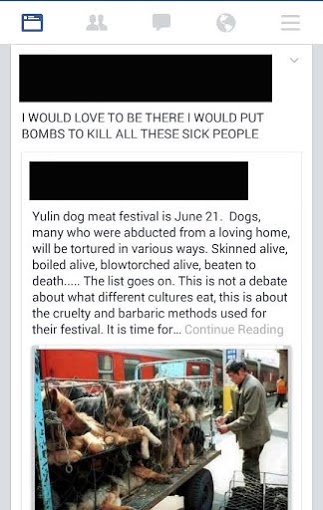
Facebook post responding to Yulin Dog Meat Festival (image shows a man tending to caged dogs awaiting slaughter): "I WOULD LOVE TO BE THERE I WOULD PUT BOMBS TO KILL ALL THESE SICK PEOPLE"

How can we change this view? There are among us those who truly believe we cannot fight one system of oppression (speciesism) by supporting another system of oppression (sexism, for example). It is morally inconsistent to claim we care about the bodily autonomy of hens but to oppose the bodily autonomy of women, just as it is morally inconsistent to say we care about equality but exclude certain species who are worthy of that consideration.

According to Javed Deck, for animals rights “[…] to be a movement that actually transforms relationships between humans and animals it needs to take seriously issues of race, class, and gender, and the ways these impact animal systems. Just like the transformations feminist and queer struggles have undergone as they crossed cultural boundaries, so must animal struggle change across these boundaries.”

>In the 70’s, black feminists who worked both for women’s rights and civil rights, started to look at gender and race as connected issues. The feminist movement back then wasn’t talking about race, and the civil rights movement wasn’t addressing gender. They developed a theory and practice called intersectionality, a term coined by Kimberlé Crenshaw in her insightful 1989 essay, “Demarginalizing the Intersection of Race and Sex: A Black Feminist Critique of Antidiscrimination Doctrine, Feminist Theory and Antiracist Politics”.

Applying Crenshaw’s frame of intersection to other systemic oppressions, we can no longer see discrimination based on gender, race, class, ability, sexual orientation, religion, caste, species, et al, as separate and independent from one another. Axes of identity interact on multiple levels, contributing to systemic injustice and social inequality.

Oppressive systems also share the same roots. They not only have the same strategy, the same tactics, but they also share patterns of behavior and thought. In her essay, Crenshaw uses an analogy to a traffic intersection, or crossroad, to concretize the concept:

“Consider an analogy to traffic in an intersection, coming and going in all four directions. Discrimination, like traffic through an intersection, may flow in one direction, and it may flow in another. If an accident happens in an intersection, it can be caused by cars traveling from any number of directions and, sometimes, from all of them.”

So why should we care about others’ struggles?

  1. Because it is the right thing to do. There is nothing wrong with choosing to be morally consistent.
  2. If we want animal liberation, then we had better build bridges. According to professor Will Kymlicka, 99% of the intersectional analysis that is done by the left today completely ignores the intersection of species. He adds, “I think there’s no way for the animal rights movement to possibly succeed without the support from other social justice movements.”
  3. Being able to create a safe space for activists and potential supporters is key to grow our movement. If we choose to ignore the intersections of oppressions, we run a great risk of turning people away from our cause.

The word intersectionality currently seems to be getting a lot of attention as well as confusion. Quite often there isn’t a mention of the originators of the concept, leaving it to be a white-centric circle, as explained here. Love it or hate it, the concept is challenging all of us, and we shouldn’t turn away from it.

We would like to share our view about it and how we are learning to apply it to Collectively Free. When we first started CF, our dream was to create an anti-speciesist group that embraced the intersections of oppression, both internally in our community and externally in our actions.

Within our community, we strive to create a safe space for activists to express themselves and for potential supporters to join us. We have made plenty of mistakes along the way, but we have also tried our hardest to remain humble enough to recognize our mistakes and implement prompt changes to repair them. A great example of that was when the amazing activist, Heather P. Graham, felt triggered during one of our protests after hearing an activist use the word “rape” trivially.

We reached out to her, heard her concerns and asked her to do a panel discussion about the “Importance of Language In Our Movement” followed by a Q&A. We learned a lot from Heather that day. It pushed us forward to officially retire a poster we hadn’t used in a long time, part of our early days, which had the r-word in it. The decision wasn’t because of personal purity, because we care more about what other people may think, or because we don’t believe that mother cows are truly sexually assaulted – it is because we learned that we can achieve the same result in making people understand our message without running the risk of triggering them. Lesson learned: always listen when people who have been hurt share their stories, and always listen when someone brings up issues to your attention.

In terms of delivering an effective message for our activism and building bridges, our first big effort was at NYC PRIDE 2015 (here’s a YouTube link if you don’t have Facebook). We wrote a speakout and chants that reflected the common goal of anti-speciesist, anti-heterosexist and anti-cissexist struggles – liberation from oppression and equality of consideration. Feedback on our video from that day was overwhelmingly positive, from both animal rights and LGBTQ rights activists. Another lesson learned: participate in different movements’ protests and support their causes.

It wasn’t until we launched the campaign against Starbucks that we had the opportunity to really bring that concept out in our actions. We spent several months trying to convey a strong message for the animals while highlighting Starbucks’ exploitation of coffee workers. We have never felt so listened to in any action we ever participated in as on our first day of action, and we are certain it was because we carefully brought together human rights and animal rights.

Our community is not perfect, and we’ll surely continue to make mistakes and learn from them. But if we all stay open to ideas that challenge us we’ll also make strides. Don’t worry, our community will still be hard-core, progressive, envelope-pushers – but now with a bonus! Our activism will no longer appear as a one-way street but as a lane on a highway, a highway shared with other fighters for liberation, equality and freedom.


Raffaella

Co-founder of Collectively Free, Raffi Ciavatta is vegan animal liberation activist, art director, poet, photographer wanna-be, DJ in some past live and most importantly… a big dreamer who makes things happen.


Lili

Lilia Trenkova is an activist vegan, set designer, fabricator, organizer and musician.

Fisicoculturistas Veganos, Hombres Músculo, y el Físico Masculino: Por Qué Promover lo Masculino es Dañino para el Movimiento de la Liberación Animal


Muscled man's chest and arms, holding large floret of broccoli

Translation by Mariángel Villalobos. You can follow her on Twitter @mvillabe. The original English version of this essay can be found by clicking here.

PETA y otras campañas de liberación animal son comúnmente criticadas por explotar los cuerpos de las mujeres de una manera sexualmente provocativa en campañas para los animales no humanos. A través de estas campañas, las mujeres son motivadas a prostituir sus cuerpos desnudos en la calle, todo para llamar la atención a la situación de los animales no humanos. Mi amiga y colega Corey Wrenn llama la atención sobre los efectos dañinos de usar el sexo para vender el caso de los derechos de los animales, señalando que “la degradación de la mujer socialmente aceptada y su objetificación sexual está directamente conectada a la discriminación y violencia en contra de la mujer.”

Mientras que estoy de acuerdo de que tácticas como las de PETA dañan a la mujer y que estos trucos perpetúan la objetificación de la mujer, que de vuelta engendra violencia sexual, me gustaría señalar que hay otra manera en que las campañas de liberación animal comúnmente dañan a los animales y a las mujeres al mismo tiempo: al usar la masculinidad para promover el veganismo.

No es poco común ver organizaciones de liberación animal, como Vegan Outreach  ilustrar en sus panfletos cómo uno puede mantener su masculinidad en una dieta vagana. De hecho, en el panfleto de Vegan Outreach “Even if You Like Meat” (Aunque te Guste la Carne) ellos incluyen una foto de un fisicoculturista Robert Cheeke en una camiseta que lee “Vegan Bodybuilder” (Fisicoculturista Vegano), dando la aprobación para llamar la atención a sus hinchados músculos. Publicidad como esta perpetúa el siguiente mensaje: puedes ser vegano y también tener tu masculinidad.

Pausemos por un momento para considerar qué es la masculinidad y por qué es dañina.

La masculinidad se relaciona con las expectativas de la sociedad para los hombres; hay ciertos roles de género que son vistos como apropiados para que los hombres fomenten. Mientras que los roles

de género son comúnmente definidos como “un set de expectativas para comportarse, pensar y sentir, que son basados en el sexo biológico de una persona,” la masculinidad es un set de roles de género, comportamientos, y aspectos de personalidad esperados de “hombres reales”: fuertes, independientes, con metas, trabajadores, dominantes, heterosexuales, vigorosos, agresivos, no emocionales, físicos, competitivos, enérgicos (KIlmartin 1994, 7-17).

La idea de que la masculinidad es responsable por la violencia, incluyendo los asaltos sexuales, es raramente cuestionada. Como Kilmartin señala, la gran mayoría de actos violentos son cometidos por los hombres, llevándonos a concluir que hay una alta relación entre la masculinidad y la agresión (KIlmartin 1994, 211). De acuerdo al FBI (2011), aproximadamente 90% de los crímenes violentos en los Estados Unidos son cometidos por hombres.

Además de la relación entre la masculinidad y la violencia, la masculinidad es asumida como la responsable de la violencia sexual, ya que “los asaltos sexuales son casi exclusivamente perpetuados por los hombres” (KIlmartin 1994, 212). En su estudio transcultural sobre el abuso sexual, Sanday (1981) reporta que las sociedades con un alto índice de violaciones “toleran la violencia y fomentan a los hombres y niños a ser fuertes, agresivos y competitivos.” De la misma manera, Kilmartin (2005, 1) sugiere que “la socialización de los hombres para que sean agresivos y iniciadores sexuales, su desproporcionado poder social y organizativo, y su habilidad para intimidar basado en superior tamaño y masa muscular“ puede explicar el fenómeno de los asaltos sexuales llevado a cabo por hombres. La moral de historia, entonces, es que, “la masculinidad es uno de los más poderosos contextos en los cuales los asaltos sexuales ocurren” Kilmartin (2005, 1).

Cuando usamos individuos como Robert Cheeke, cuya imagen ilustra lo masculino, para promover el veganismo, perpetuamos la idea de que la masculinidad es un tipo de ideal que los “hombres reales” deberían esforzarse para alcanzar. Sin embargo, si la masculinidad es responsable de la violencia, especialmente la violencia en contra de los débiles o “femeninos”, entonces deberíamos pausar para considerar si hace sentido que usemos este tipo de tácticas de mercadeo para enviar un mensaje vegano.

Recordemos qué es lo que el mensaje de liberación animal conlleva: una de las metas del movimiento de la liberación animal incluye desafiar el modelo de dominio al repensar por qué nosotros damos privilegio y admiramos a los seres “dominantes” o “fuertes”. Sin embargo, cuando las organizaciones usan a los fisicoculturistas para vender el mensaje vegano, envían el mensaje opuesto, un mensaje peligroso: la masculinidad es preferida sobre lo femenino y hay una jerarquía donde lo masculino reina y domina sobre los demás.

Esta idea no solo pone en peligro a las mujeres, pero la idea de que hay una dicotomía entre lo masculino y lo femenino pone en desventaja a los animales, ya que los animales son identificados como parte de la “naturaleza” – y la naturaleza es de vuelta identificada con lo femenino.

Si queremos erradicar la explotación de los animales, debemos desafiar la idea de que “no importa por qué alguien es vegano, simplemente importa el que ellos son veganos.” Por que el que alguien sea vegano importa si nuestra metal final es completar la liberación animal. Si uno no comprende que los principios de fondo detrás del veganismo ético, como el rechazo al dominio de la jerarquía, entonces qué va a prevenir que él explote animales en situaciones que le permiten expresar su masculinidad, como en las corridas de toros, la caza de animales, etcétera? La masculinidad es un mensaje peligroso de mandar, y si podemos promover los beneficios para la salud del veganismo sin tener que recurrir a las imágenes de la masculinidad, por qué las organizaciones de liberación animal como Vegan Outreach se centrar en hacer esto mismo?

Por 1LT Cheryl Abbate


Why are White People Outraged Over Cecil the Lion but Not about Sandra Bland?

By Michele Kaplan

TRIGGER WARNING: The following article contains discussion of racism and police violence.

Author’s Note: This article is not suggesting that every white person is outraged over Cecil (let alone outraged over Cecil and not Sandra Bland). This article is also not suggesting that there aren’t any people of color who are outraged over the death of Cecil. However this question was asked by many people on the internet, and so thus the title, and thus the following is my two cents. 

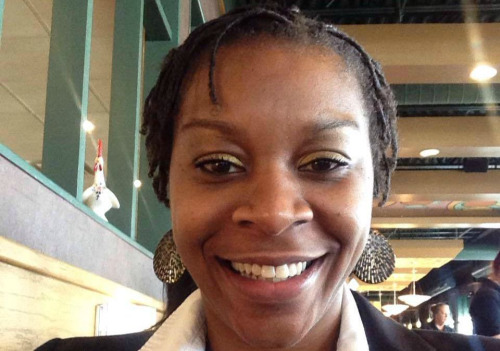
Sandra Bland

Every time there is a trending topic, you can pretty much expect the following to happen. There will be a large amount of blog posts written about it. Some from the heart and some because people see an opportunity to bring more attention to their blog. Then, if the topic is trending long enough, there is the “inevitable” backlash.

Gorilla

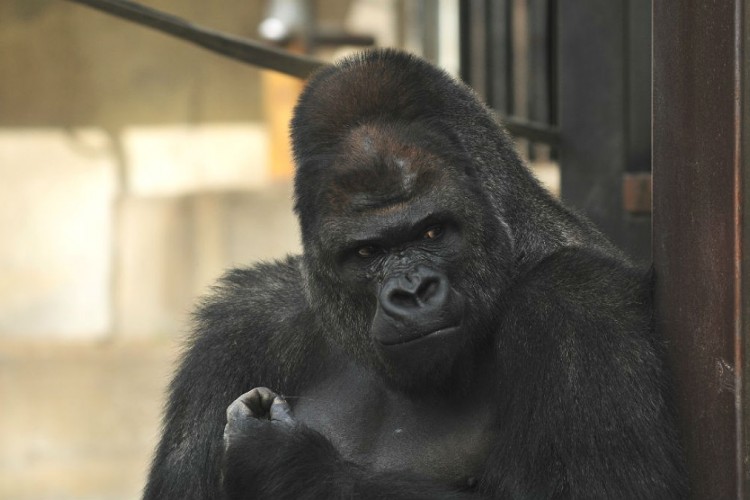
You may or may not recall #Shabani, the “heartthrob Gorilla”, who was trending not too long ago but for a very brief period of time. So brief that there simply wasn’t enough time for a backlash to occur.

Sometimes the backlash is a reaction to a system that pins various groups against each other. A system that promotes the idea that there isn’t enough to go around, so you better get yours before your neighbor gets theirs. How often has there been situations where the powers that be say “Hey, specific oppressed demographic, you want your civil rights? We’ll give it to you, but it’ll be on the backs of these groups.”  (As if that was the only option. As if that was your best bet.) So, instead of intersectional activism (or realizing that all forms of oppression are actually connected and that we are far more powerful united, then we could ever be divided), it promotes Single Issue Activism, where every group is separately scrambling to be heard and to make progress.

For some groups, there is so much injustice against them, that they are on the constant verge of nearly drowning in it, and don’t even have the energy to then take on other causes than their own. The system loves this, because when the powers that be can keep us exhausted, the system can remain status quo.

The internet and the existence of trending topics is a prime example of that. Whenever there is a trending topic, other groups who perhaps do not feel heard, who are not getting the justice they deserve, see another cause in the spotlight and may start to feel angry or even bitter. Why are they getting all this attention but not my (worthy and valid) cause?! Some may start to panic that this will take away attention from their recent state of trending. Not because they are greedy for the spotlight, but they are validly desperate and know that the internet has a really bad habit of taking on a trending topic, utterly immersing themselves in it to the point of exhaustion, and then they move on. And if you’re aren’t directly impacted by a particular situation (like what’s going on in Palestine as one of many examples) then you have the luxury of moving on to the next trending outrage du jour.

Lion

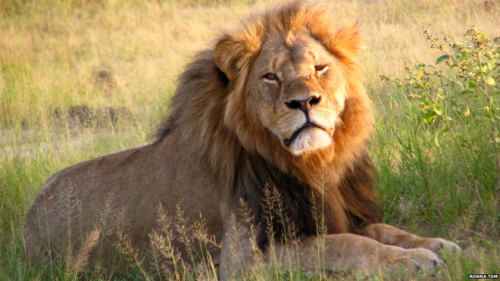
Cecil, The Lion has been the latest trending topic that people are livid about, and like clockwork the backlash has started. However, there has been one legitimate question that is going around, that I would like to address.

Why Are White People Outraged Over Cecil The Lion But Not About Sandra Bland?  

And of course as a white person, I can not (and will not) say that I speak for all white people (seriously white bloggers, please stop saying that you do), and I certainly haven’t done an official survey by any means amongst all Caucasians, but as an animal rights activist and ally to the #BlackLivesMatter campaign, I do have some theories. Keep in mind, this is no way a comprehensive list and not necessarily in any order of importance.

1.) Because Racism. Let’s just get this one out of the way. The one we all knew existed. Some white people are livid about the death of Cecil, The Lion but do not give a crap about Sandra Bland (or any other innocent person of color who was physically harmed and/or murdered by the police.) because they are racist.

(On a side but related note, please refrain from using the hashtag #AllLivesMatter for Cecil. This is pissing some people off and rightfully so.)

Meme of Cecil the lion juxtaposed with a pig in a factory farm, both read, "I am Cecil"

The hashtag #IAmCecil and #CecilTheLion are popular pro Cecil hashtags that does not co-opt the #BlackLivesMatter hashtag nor does it have racist connotations like #AllLivesMatters. Image from TheirTurn.net

Having said that, here’s where it gets a bit more complicated.

2.) It’s A lot Easier To Get Pissed At That Hunter, Than It Is To Tackle Systemic Racism. It seems like this country can’t go a week without another innocent person of color being physically assaulted and/or murdered by the police. At times it’s just too much and a person may want to avoid (or at least take breaks) from the topic, because it’s so heartbreaking to see so much injustice (one after the other) and typically without legal consequence. I can’t even imagine what it’s like for people of color (particularly parents) to be inundated with bad news after bad news on a daily basis that directly and deeply impacts them on a very dangerous level.

That being said, sometimes humans (even though they care) start to shutdown and go numb in response to a mind blowing amount of injustice. Sometimes (especially if they aren’t aware of the importance of self care), people burn out and feel helpless in creating change for a particular cause. And then along comes Cecil, The Lion. So Cute and friendly. Plus he’s endangered! And he was killed how?!

Picketing outside the home of Cecil's killer. One sign reads, "KILLER"

And while said police brutality related deaths are often met with little consequence, Time Magazine recently reported that the government has introduced The CECIL Act which aims to “curb trophy hunters.” A baby step in the right direction, but progress nonetheless. The people have spoken and the government reacted in a pretty timely manner. With Cecil, people can be outraged and have way quicker results (at least addressing the immediate issue. The root of the problem? Meh. The nation is not as interested.) There’s no “Yeah, but what about Lion on Lion crime” or victim blaming, thus making the mainstream conversation really really easy. “Hey are you pissed off as to what happened to that lion?” “Yes!” “Great, me too!” “Let’s discuss and bond over our outrage” Done.

3.) The Hypocrisy Factor One thing that animal rights activists deal with (at least the ones who advocate for all animals, not just the Cecils and Shamus of the world) is the fact that our society is highly hypocritical when it comes to our compassion for animals. People are so pissed off at this hunter who murdered Cecil, to the point where some have adopted a mob mentality and are calling for harm to the hunter. They will frequently post about it, as they eat their chicken with bacon and cheese sandwiches and type with great fury while wearing their leather boots.

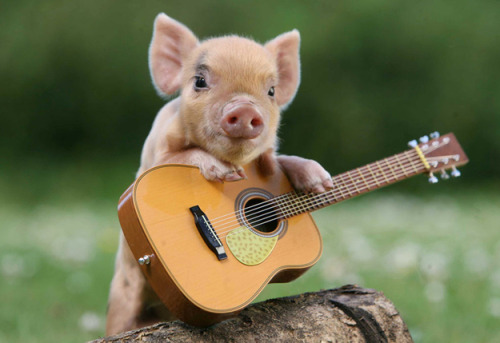
Piglet leaning on tiny guitar

“I will now play you the song of my people. It’s called “I don’t want to be your sandwich, dammit” off my latest CD “No Animal Wants To Die”

Meanwhile, this idea of selective compassion for animals is considered totally normal in our society, but for the animal rights activist, the hypocrisy can be frustrating as all hell, and this frustration often results in this particular issue becoming their main focus.

“But, question: how can people make an animal and not another human being their main focus?” This naturally is a touchy subject (and probably an article in itself) especially considering that historically humans have compared other humans saying they’re “like animals” (and thus inferior) in order to justify oppressing the living crap out of them. However, it should be noted (like all false ideas of superiority) that just because one group decides and declares themselves superior, it doesn’t mean that it’s true. That is why many animal rights activists reject the concept of speciesism (the idea that one species is by default superior over other species and thus it’s okay to oppress them), and go with the idea that we are all animals (which is actually scientifically accurate).

But why would an intersectional animal rights activist (who advocates not just for the non-human animals, but for the human ones as well) make Cecil their focus?

(See #4)

Window open to a blue sky

4.) The Small Window Of Opportunity. Even with the success and popularity of such films as Blackfish (which made a huge dent in Seaworld’s profits and challenged the way our society views certain animals), a conversation about animal rights (outside of the animal rights movement) is just not that common. Even more rare is when it involves “livestock” aka: the animals we have deemed as nothing more than “food”. We were raised to save the dolphins but eat the tuna. Cats are family but pigs are bacon. Thus when a situation like Cecil comes along, where an animal rights topic is actually trending? Small window of opportunity! (echo echo echo).

People knew when the news of Cecil’s death came out, that the animal rights community would speak out, but most animal rights activists did not predict people who normally do not take much interest in animal rights, to react with such outrage. This is a potential opportunity to expand the conversation, and deal with not just Cecil’s death but the root problem of speciesism. This could be the opportunity to show people that as long as any animal can be killed in the name of pleasure (whether it’s the “pleasure” of hunting or the “pleasure” of bacon), no animal (including Cecil) will be safe. Opportunities like this do not come very often and because any at moment in time, another topic could come up and wipe out Cecil’s popularity, soon to be forgotten, we must focus on this topic and give it the most attention on our social media accounts. What if people post about something else and that distracts people from this issue? People feel they must seize the opportunity before it passes (because it will.)

Like I said. Sometimes people are focusing on Cecil, The Lion and not horrific situations like Sandra Bland because they are flat out racist, and that’s all there is to it (and there’s no excuse for it.) But sometimes it’s a reaction to a system that has all of us desperately scrambling to be heard, and sometimes at the expense of hearing each other.

Bear

This essay originally appeared on Rebelwheels’ Soapbox on May 17, 2015.


me in wheelchairMichele Kaplan is a queer (read: bisexual), geek-proud, intersectional activist on wheels (read: motorized wheelchair), who tries to strike a balance between activism, creativity and self care, while trying to change the world.